Stories with animals have always been a favorite way to teach moral lessons to children. They are simple, memorable, and easy to understand. One such meaningful and popular story is “The Wise Owl.” This classic tale teaches us that true wisdom comes from listening, observing, and speaking only when necessary.
In a world full of noise and opinions, The Wise Owl gently reminds us that silence and careful thinking are powerful tools. Let us explore this story in detail and uncover the valuable lessons hidden within it.
Once Upon a Time in a Quiet Forest
Once upon a time, there was a dense forest filled with tall trees, colorful flowers, and many animals. Birds chirped happily, rabbits hopped around, and deer grazed peacefully.
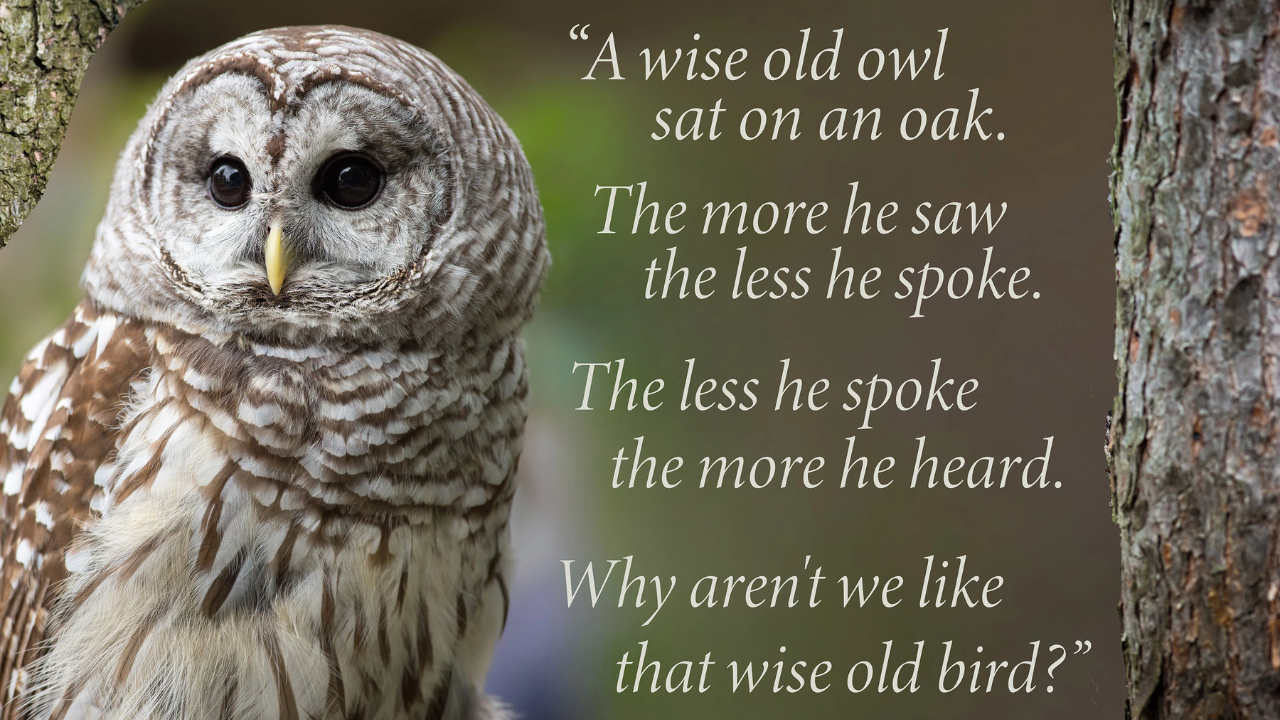
At the heart of this forest stood a huge old oak tree. High up in its branches lived an old owl.
The owl was not strong like the lion or fast like the deer, but it was known throughout the forest for one special quality—it was very wise.
The Owl’s Quiet Nature
Unlike other animals, the owl did not talk much. It sat silently on its branch, watching everything that happened around it.
It listened carefully to every sound:
- the rustling of leaves
- the chatter of animals
- the whispers of the wind
The owl spoke only when necessary, and when it did, its words were always thoughtful and helpful.
The animals began to notice something special.
The Forest Begins to Change
At first, the forest was peaceful. But as time passed, the animals started arguing more often.
The monkeys fought over fruit.
The birds quarreled about nesting places.
The rabbits complained about others using their paths.
Each animal wanted to speak first. No one wanted to listen.
Slowly, the forest lost its harmony.
Animals Seek the Owl’s Advice
One day, after a big argument, the animals gathered beneath the oak tree.
“O Wise Owl,” they said,
“Why is our forest no longer peaceful?”
The owl opened its eyes slowly and looked at the animals.
“I have been watching and listening,” said the owl calmly.
The animals fell silent.
The Owl Shares Its Wisdom
The owl spoke gently:
“When I first came to this forest, I spoke a lot.
Then I listened more.
The more I listened, the more I learned.”
The owl continued,
“Now, I speak very little, because I have learned that listening teaches more than talking.”
The animals looked at each other quietly.
A Powerful Lesson
The owl explained further:
“When you argue, you only try to prove yourself right.
When you listen, you understand others.
Understanding brings peace.”
The forest was silent as the animals thought deeply about the owl’s words.
Change Begins in the Forest
From that day on, the animals decided to change their behavior.
- The monkeys listened before grabbing fruit
- The birds discussed nesting spots calmly
- The rabbits shared paths without complaining
Slowly, peace returned to the forest.
Whenever a problem arose, the animals remembered the wise owl’s lesson.
The Owl’s Lasting Influence
The owl continued to sit quietly on its branch, watching and listening.
It did not need to shout or command respect.
Its wisdom spoke louder than words.
The animals respected the owl not because it talked the most, but because it understood the most.
Moral of the Story
The story of The Wise Owl teaches us a simple yet powerful moral:
🦉 Listen More, Speak Less
True wisdom comes from observing, listening, and thinking before speaking.
Key Life Lessons from The Wise Owl
🌿 1. Listening Builds Wisdom
By listening carefully, we learn more about people and situations.
🌿 2. Silence Can Be Powerful
Being quiet does not mean being weak. Silence often shows strength and understanding.
🌿 3. Think Before You Speak
Words can heal or hurt. Wise people choose their words carefully.
🌿 4. Observation Leads to Knowledge
Watching and understanding situations helps us make better decisions.
Why This Story Is Important for Children
Children often want to speak quickly and be heard. The Wise Owl gently teaches them that:
- Listening is just as important as talking
- Understanding others helps make friends
- Calm thinking avoids arguments
This story is widely used in schools to teach communication skills, patience, and emotional intelligence.
How Parents and Teachers Can Use This Story
Discussion Questions
- Why was the owl considered wise?
- What mistake were the other animals making?
- How can listening help solve problems?
Activities
- Role-play good listening vs poor listening
- Draw the wise owl in the oak tree
- Practice “listening games” in class
The Wise Owl in Today’s World
In today’s fast-paced digital world, people often speak without listening.
- Social media arguments
- Classroom misunderstandings
- Family conflicts
This story reminds us that wisdom is not about being loud—it’s about being thoughtful.
Short Moral Quote from the Story
“The more I listened, the more I learned.”
This simple idea can guide children and adults throughout life.
Conclusion
“The Wise Owl” is a beautiful moral story that teaches us an essential life skill—the art of listening. Through the calm and thoughtful nature of the owl, the story shows that wisdom grows when we observe, understand, and speak with care.
In a world full of noise, the wise owl teaches us that sometimes, the quietest voice holds the greatest truth.